
Beyond the Chair: Lifestyle Changes for Lasting Hair Health
Hair transplant procedures have gained significant popularity in recent years, as more individuals seek effective solutions for hair loss. This surgical technique involves moving hair follicles from one part of the body, typically the back of the scalp, to areas experiencing thinning or balding. The rise in demand can be attributed to various factors, including increased awareness of available treatments and a growing acceptance of cosmetic procedures.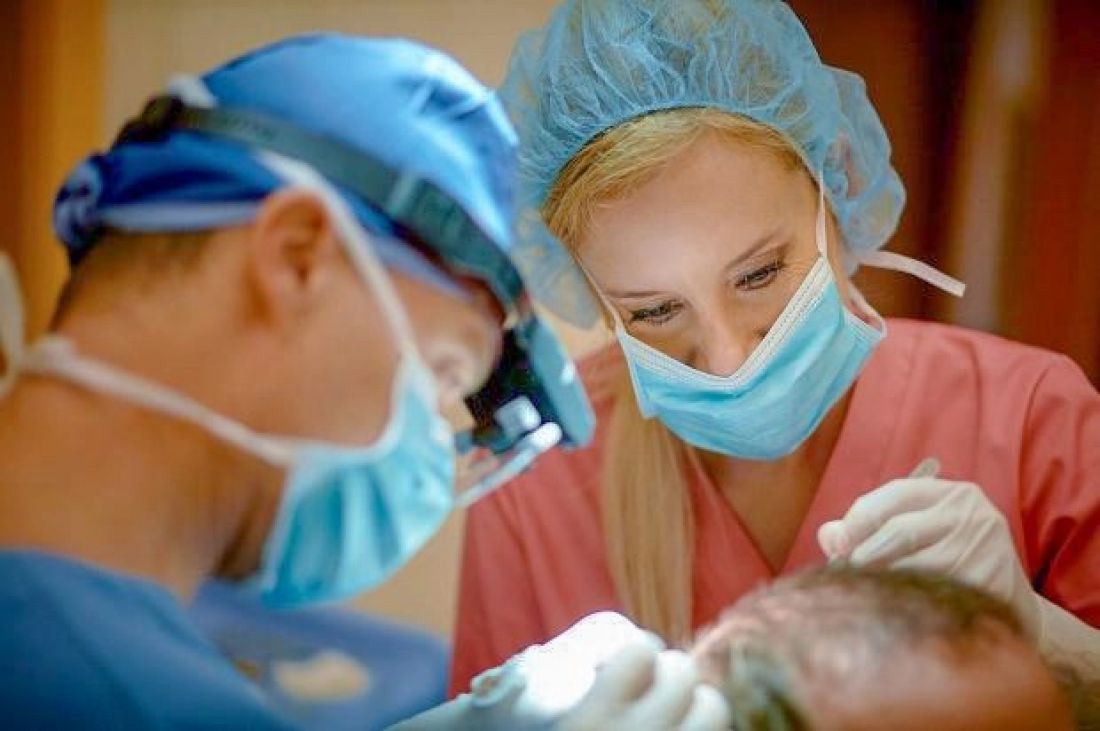
The process usually begins with a istanbul saç ekimi consultation, where a qualified specialist assesses the patient’s hair loss pattern and overall health. During this initial meeting, patients can discuss their expectations and any concerns they might have about the procedure. The specialist will then recommend the most suitable technique, with two primary methods being Follicular Unit Transplantation (FUT) and Follicular Unit Extraction (FUE). FUT involves removing a strip of skin from the donor area, which is then dissected into individual follicles. In contrast, FUE extracts individual hair follicles directly from the scalp, leaving minimal scarring and requiring a shorter recovery time.
Once the method is chosen, the actual procedure takes place under local anesthesia. Patients are typically awake during the operation, which can last several hours, depending on the number of grafts needed. After the follicles are harvested, they are meticulously implanted into the recipient area, ensuring a natural appearance that blends seamlessly with the surrounding hair. This artistry and precision are crucial, as the orientation and angle of the transplanted hair significantly influence the final outcome.
Post-surgery, patients may experience some discomfort, swelling, or redness in the treated areas, but these symptoms usually subside within a few days. It’s essential for patients to follow the post-operative care instructions provided by their surgeon, which may include avoiding strenuous activities, protecting the scalp from sunlight, and adhering to a specific hair washing regimen.
Over the next few months, patients can expect to see new hair growth as the transplanted follicles establish themselves in their new environment. This process can be gradual, with initial shedding of the transplanted hair occurring before new growth appears. By the six-month mark, many individuals begin to notice significant improvements, and full results typically manifest around 12 to 18 months post-procedure.
One of the primary advantages of hair transplants is their permanence. Unlike topical treatments or medications that require ongoing use, the transplanted hair is generally resistant to the factors that cause hair loss, leading to long-lasting results. Moreover, advancements in technology and techniques have significantly improved the natural appearance of transplanted hair, allowing for more refined and aesthetically pleasing outcomes.
However, it’s crucial for potential patients to manage their expectations and understand that results can vary based on individual factors such as age, hair type, and the extent of hair loss. Consulting with a board-certified specialist can provide valuable insights into what can realistically be achieved.
In summary, hair transplants offer a viable solution for those struggling with hair loss, combining artistry with medical expertise to restore confidence and enhance appearance. As the field continues to evolve, more people are discovering that they can reclaim their hair and, with it, their sense of self.